
Transforming Waste Management through Zero-Waste Solutions
Be part of the planet's inaugural fully waste-to-energy system for a more sustainable and eco-friendly tomorrow.
Move your head to change the view. Video is processed on your device and never recorded or sent.
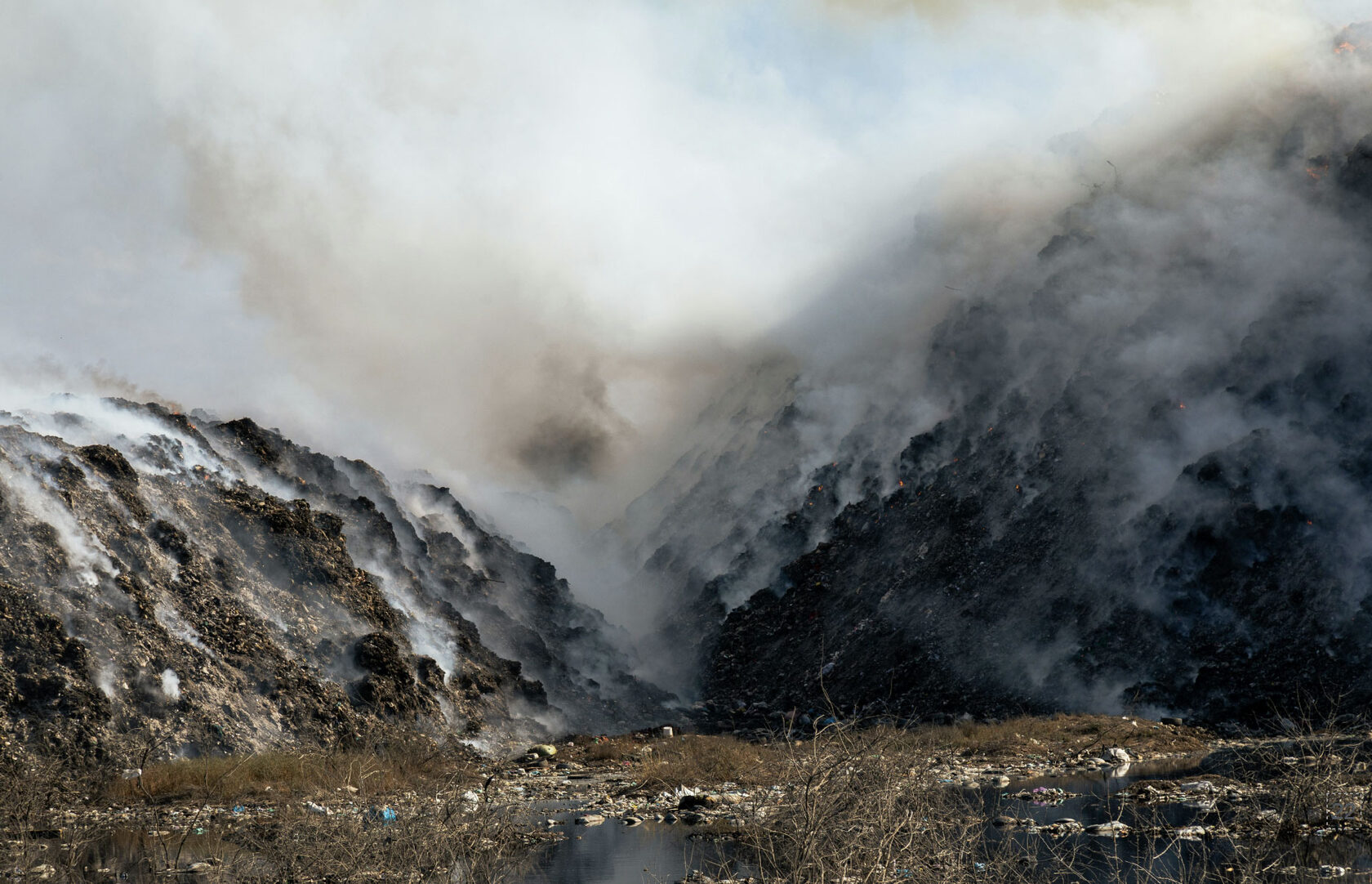
Waste crisis is global. The solution is Nullogen.
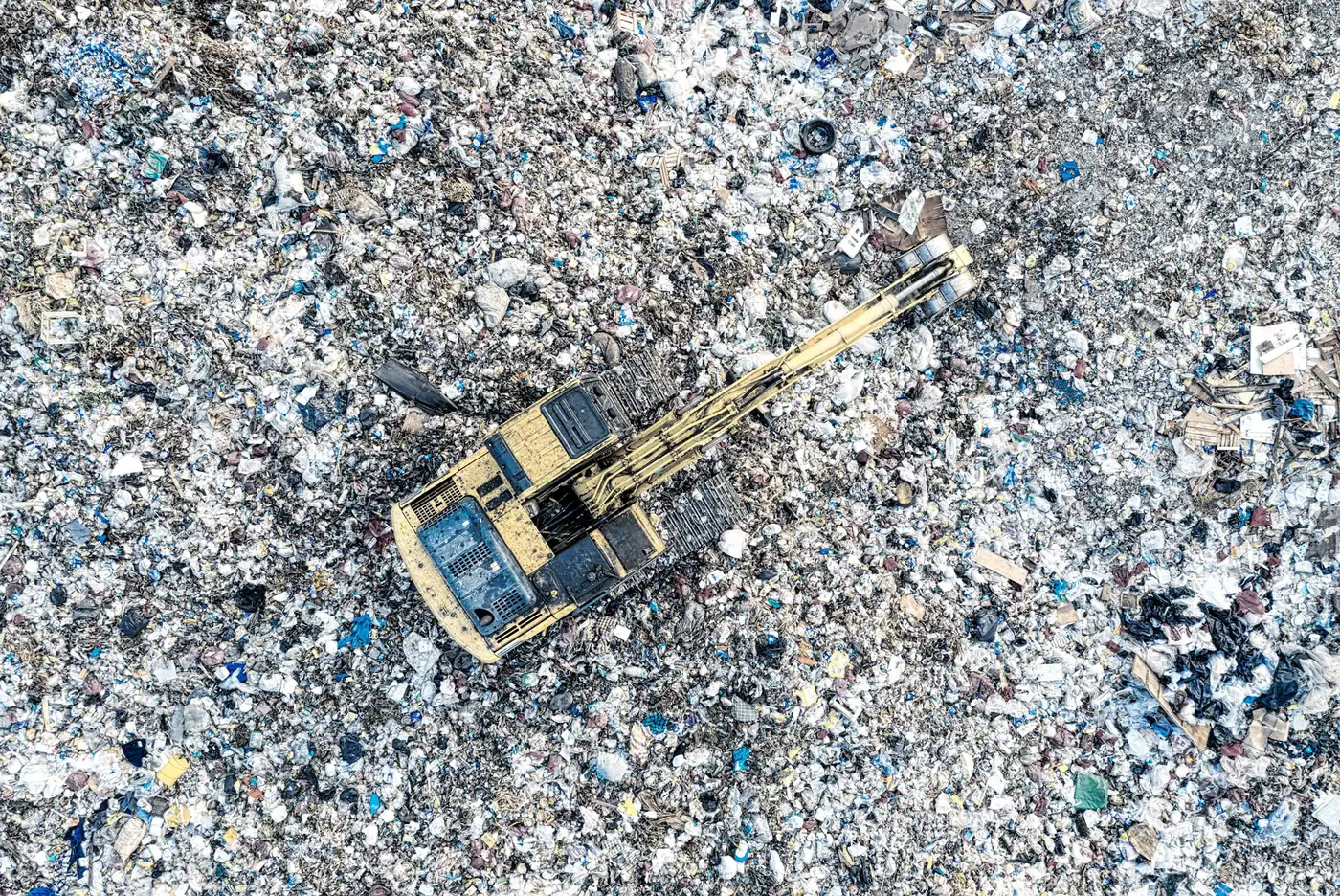
The world generates over 2 billion tons of solid waste a year. Conventional treatment leaves toxic ash and residues that still go to landfill. Nullogen processes 100% of incoming waste.
Inside the Nullogen furnace
Waste is loaded continuously onto the surface of molten slag at 1300 °C. Enriched oxygen is blown straight into the melt through tuyeres below its level, so the waste is intensively kneaded in the slag.
Complete waste treatment scheme
Sorting and composting recover what still has value. Everything they cannot use, together with hazardous waste, goes to Nullogen. Only slag and energy come out, and nothing goes to landfill.
- 1
Five waste streams
Municipal solid, agricultural and industrial waste, toxic and radioactive waste, medical and biohazardous waste.
- 2
Materials sorting
Municipal, agricultural and industrial streams pass through sorting. Recyclable materials are baled and sold.
- 3
Organics become products
The organic fraction goes to digestion, tunnel composting and fermentation, producing biogas, compost and bioethanol.
- 4
Everything else goes to Nullogen
Non-processible residue from sorting and composting, plus toxic, radioactive and medical waste delivered directly without sorting.
- 5
Only slag and energy remain
Inert slag, 10–15% of the initial waste, is used for construction. Heat from the off-gas becomes electricity and heat.
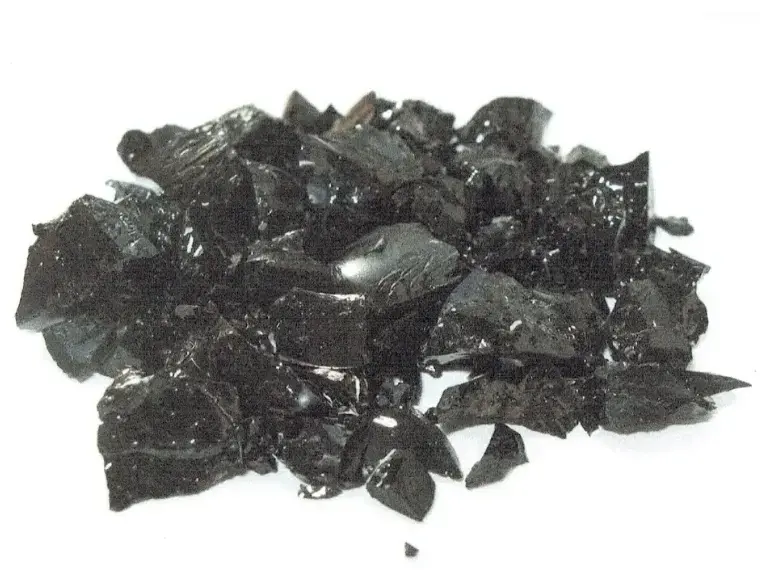
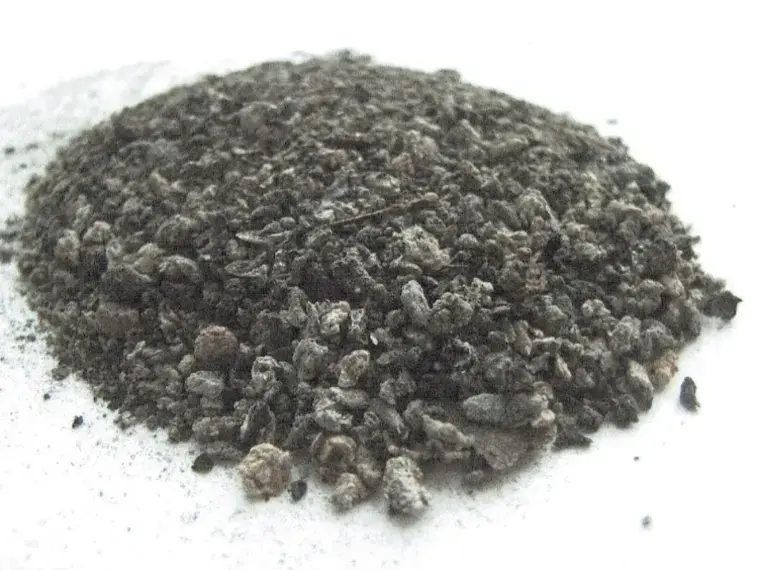 Ash, 900 °CSlag, 1300 °C
Glassy slag instead of toxic ash
The same municipal waste burned at 900 °C leaves porous ash. At 1300 °C it melts into a dense glassy slag that binds impurities inside its structure.
- Non-toxic and free of organics
- Does not interact with or absorb water
- Resistant to acids, heat and abrasion
In laboratory tests, MSW slag stored in sulfuric acid solution showed 0.00% mass loss.
Comparison with other technologies
| Parameter | Grate furnaces | Gasification | Plasma smelting | Nullogen |
|---|---|---|---|---|
| 100% waste recycling | ||||
| High process efficiency | ||||
| No toxic ash residue | ||||
| No gas toxins | ||||
| Low sensitivity to raw material composition |
Valuable by-products
Besides treating waste, a plant yields four product streams.
Energy
Electricity and heat around the clock from off-gas heat.
Slag
- gravel and road base
- concrete and masonry blocks
- paving and facade tiles
- alternative cement
Biogas and biofuel
Digestion and fermentation of the organic fraction.
Fertilizers
Compost from tunnel composting of organics.
Plant configurations
Plants are modular: several reactors run side by side, so capacity can grow and maintenance does not stop the plant.
Without pre-sorting
Strong foundations
Science, engineering and execution from three partners.


Roadmap to a clean future
- 1Research & feasibility6 months
- 2Engineering & design12 months
- 3Construction & commissioning24 months
Meet the team
We're looking for visionary partners to join the pilot phase and scale with us.

Alexandra Shiryaeva
Chief Executive Officer, founderSustainable architect, master's degree in architecture.

Christoph Atzwanger
Development Director, co-developerMBA, INSEAD. Managing director of Atzwanger AG.
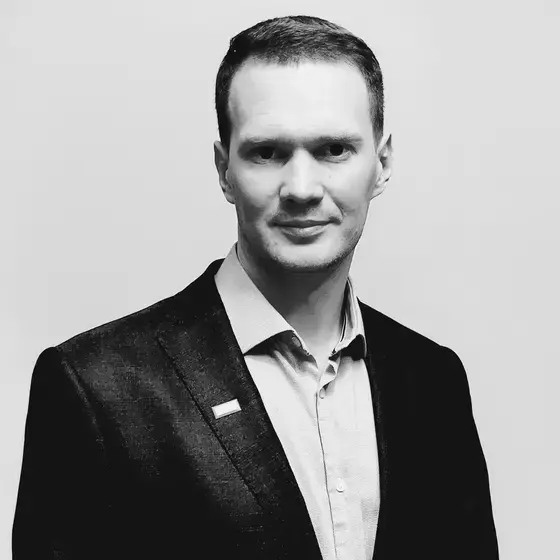
Rostislav Kamkin
Development Engineer, reactor developerMetallurgist, PhD candidate. Managed an industrial waste processing plant.

Sergey Kamkin
Technical Engineer, co-developerMining equipment and automotive engineering; mining and chemical industry.
Let's turn the world's greatest challenge into its brightest opportunity
Send an enquiry. Your request will be reviewed within 5 business days.
info@nullogen.comTo prepare a proposal, we will ask for
- Volume and composition of municipal waste
- Volume of waste in existing landfills
- Industrial, medical and biological waste not yet disposed of
- Local demand for recyclables and slag products
- Volume of waste exported from the region
FAQ
How does a waste-to-energy plant work?
Waste is burned, and the heat of the hot gas is turned into steam in a waste-heat boiler. The steam drives a turbogenerator that produces electricity, and the cooled gas is cleaned before release. In a Nullogen plant, waste is fed onto molten slag at 1300 °C, so organics burn completely and minerals melt into glassy slag.
Does incineration release dioxins?
Dioxins and furans form when chlorine meets organic carbon at lower temperatures, which happens when combustion is incomplete. At 1300 °C with excess oxygen, organics burn completely to CO₂ and water, and chlorine leaves as hydrochloric acid instead.
Is incinerator ash hazardous?
Fly ash captured in the flue-gas filters is classed as hazardous waste because it concentrates heavy metals and salts. Bottom ash is porous, contains unburnt organics and metals, and needs treatment before reuse. Ash and slag compared.
Is slag hazardous waste?
Slag from the Nullogen process is not. It is a dense, fully fused glassy material in which metals and other impurities are bound into the glass matrix. In laboratory tests, slag stored in sulfuric acid showed 0.00% mass loss.
Is waste-to-energy better than landfill?
Landfills occupy land for decades and affect air and groundwater. Waste-to-energy reduces the volume of waste and recovers its energy, but conventional incineration still leaves ash, part of which goes to hazardous waste landfill. Nullogen leaves no ash: the only solid residue is slag used in construction.
Can incinerators burn plastic?
Yes. In the melt, plastics oxidise completely to CO₂ and water. Chlorine from PVC becomes hydrochloric acid, which is removed by washing and neutralisation.
Can old landfills be reused?
Yes, once the waste is removed. Nullogen processes decades-old household waste without drying or sorting, which reduces landfill area and its impact on air and groundwater. The cleared land can be developed.
What is the minimum plant capacity?
The recommended minimum reactor capacity is 5 tonnes per hour. Larger plants use several reactors that are started or stopped as needed.