
Is incinerator ash hazardous, and what is the alternative?
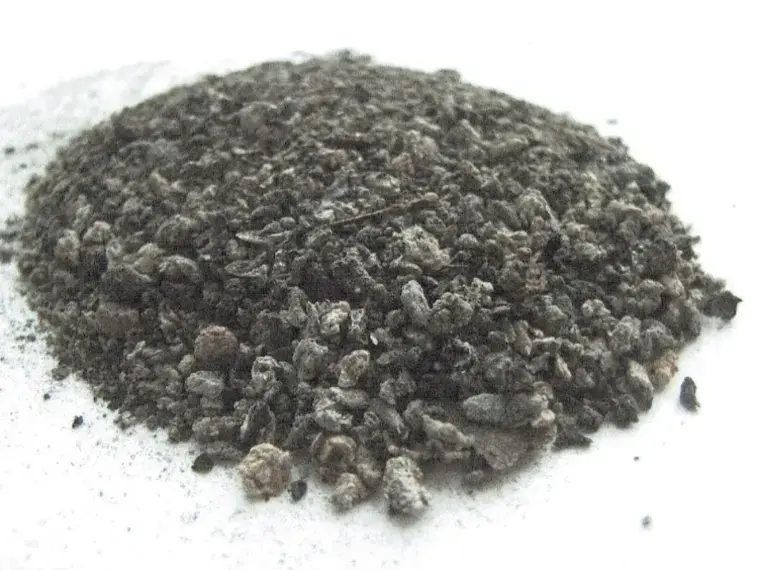
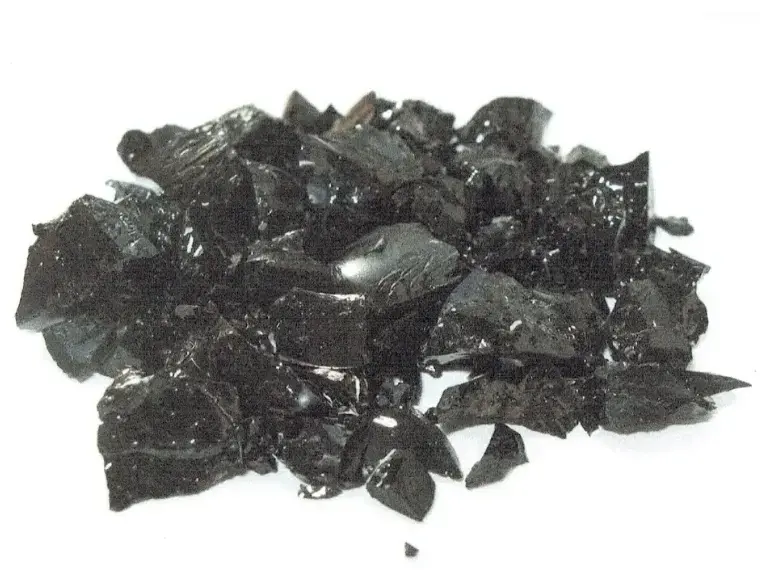
What is in incinerator ash?
Conventional incinerators leave two kinds of solid residue. Bottom ash falls through the grate and is porous, with unburnt organics and metals. Fly ash is captured in the flue-gas filters and concentrates heavy metals, salts and other pollutants, so it must be stabilised and sent to hazardous waste landfill. According to the Nullogen team, conventional technologies leave on average about 40% of solid waste as non-recyclable residue.
Why does slag not leach?
At 1300 °C the mineral part of the waste is fully molten. When it cools, it forms a dense glass in which metals and other impurities are bound into the glass matrix. Rain and groundwater cannot wash them out. The same principle of packing hazardous compounds into glass has been used to treat spent ion-exchange resins from the uranium industry.
| Property | Incinerator ash, about 900 °C | Nullogen slag, 1300 °C |
|---|---|---|
| Structure | Porous, powdery or granular | Dense, fully fused glass |
| Organic content | Unburnt residues possible | None |
| Water | Absorbs water, can leach | Does not absorb or react with water |
| Classification | Fly ash is hazardous waste | Non-toxic in laboratory tests |
| Typical destination | Landfill or treatment before limited reuse | Construction materials |
How was the slag tested?
Samples of slag from household waste processed at high temperature with excess oxygen were stored for a long time in sulfuric acid solution to simulate harsh environmental exposure. No signs of dissolution were recorded: the mass loss was 0.00%. In laboratory tests the slag also proved:
- non-toxic and free of organics
- medium-hard on the mineralogical scale and resistant to abrasion
- non-absorbent and inert to water
- resistant to heat and to acids
What can the slag be used for?
The slag needs no processing other than grinding to the required fraction. It can be used for:
- reinforced concrete structures and products
- masonry blocks, paving and floor tiles, kerb stones
- facade stone and tiles, thermal insulation materials
- gravel for roads and concrete mixes, embankments and coastal protection
- backfilling for artificial islands
- the main component of alternative cement
Using slag reduces the need to quarry gravel, silica and limestone, and cuts the emissions of conventional cement production.
Frequently asked questions
How much slag is produced?
Slag makes up 10–15% of the initial mass of municipal solid waste.
Can heavy metals leak from the slag?
No leaching was observed. Metals are bound in the glass matrix, and slag samples kept in sulfuric acid showed 0.00% mass loss.
Does the slag need processing before use?
Only grinding to the required fraction. It leaves no unused residue.
Related questions
Need slag test data for your project?
We will share laboratory results and help assess local uses for the slag.